Search isn’t a list of blue links anymore. In 2026, your next customer is as likely to meet your brand through an AI assistant as through a Google results page. If your content isn’t optimized for both, your visibility will quietly erode while AI-native competitors surge ahead.
This is where AI-powered SEO (and its new cousins, Answer Engine Optimization and Generative Engine Optimization) becomes less of a buzzword and more of an operational discipline. Think of it as training an army of specialized AI agents to research, draft, optimize, and localize your content at scale—without sacrificing quality or brand voice.
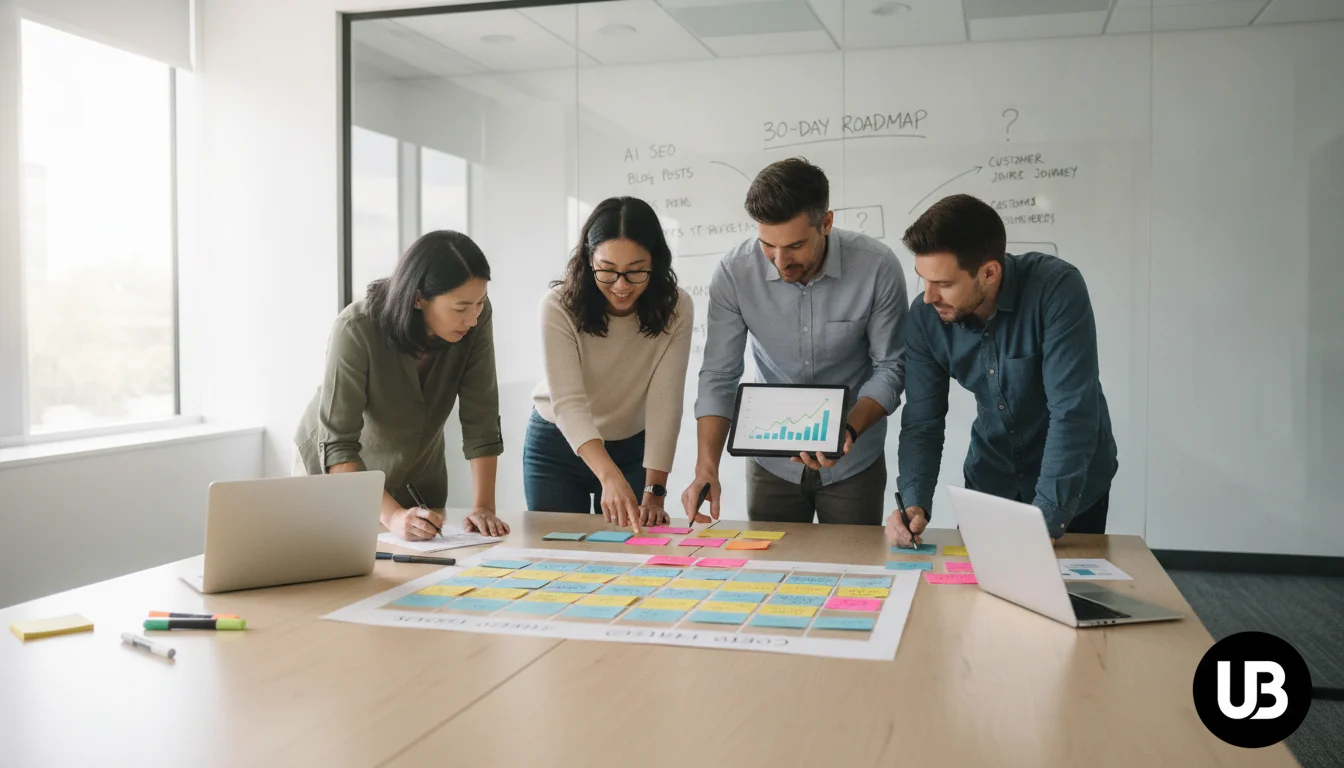
For marketing teams in India, the opportunity is huge: bilingual audiences, exploding search volumes, and under-optimized niches. Below is a 30-day, practical roadmap you can actually run—with or without an enterprise platform like UpBinger—starting next sprint.
Modern AI for SEO starts with content intelligence: models that constantly scan search results, People Also Ask panels, featured snippets, and AI overviews to infer what satisfies human intent. Instead of guessing keywords, you analyze patterns across thousands of SERPs and answer-engine responses to map real questions, formats, and entities your content must cover.
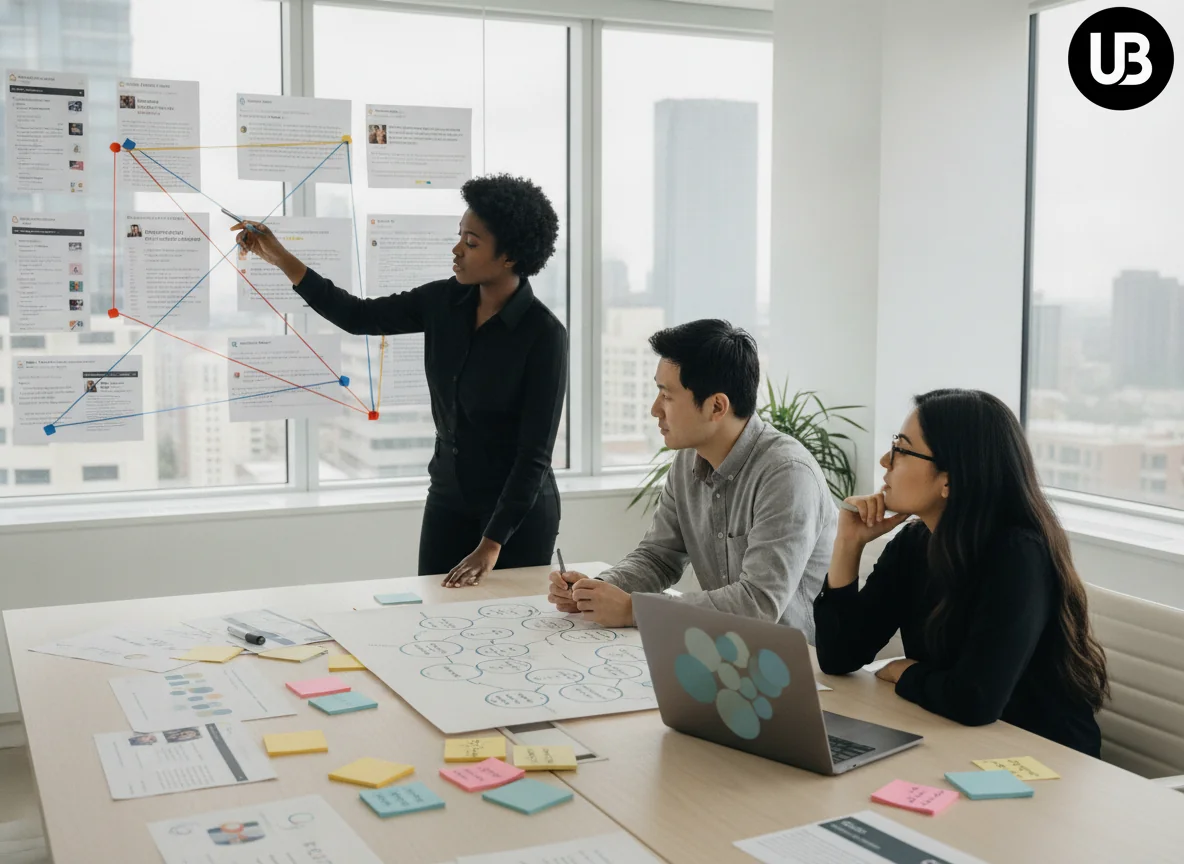
On top of this intelligence layer sit AI content generation tools. These are not generic chatbots. Enterprise platforms like UpBinger orchestrate multiple agents—research, strategist, writer, editor, and optimizer—each constrained by your brand voice, compliance rules, and performance goals. The output is draft content already structured for snippets, PAA, FAQs, and AEO blocks.
The final layer is optimization and experimentation. AI models evaluate your pages against live competitors: internal links, schema, heading structure, topical depth, and language variants (e.g., English + Hinglish). They then recommend experiments—new FAQs, refreshed intros for GEO, or answer-box-optimized sections—and track impact on rankings, clicks, and assistant visibility.
Days 1–7: Intelligence & setup. Define 2–3 core clusters (e.g., “AI for SEO”, “AI content generation”, “AI content creation tool”). Use an AI keyword research agent to pull traditional keywords, PAA questions, and generative engine prompts users actually type into Gemini, ChatGPT, or Copilot. Establish your brand voice and guardrails inside your AI platform.

Days 8–18: Production sprints. Design 3–5 reusable AI workflows: long-form guides, comparison pages, use-case stories, and FAQ hubs. Let AI generate first drafts, then have editors localize examples for Indian buyers, add data and screenshots, and tighten positioning. Bake in schema, snippet-ready answers, and internal links at this stage.
Days 19–30: AEO/GEO & optimization. Spin off concise answers for priority questions and structure them as Q&A blocks, how-tos, and checklists. Use your platform’s optimization agent to compare against top-ranking and top-answer content, then refine headings, entities, and intent coverage. Ship weekly, measure, and feed performance back into the AI prompts.
AEO (Answer Engine Optimization) and GEO (Generative Engine Optimization) don’t replace SEO; they extend it. Traditional SEO asks, “How do we rank for this query?” AEO asks, “What’s the most direct, trustworthy answer an assistant could quote from us?” GEO asks, “How do we become the brand AI systems default to when they generate multi-step plans or tool recommendations?”
Practically, that means designing answer-first content: tight definitions, step-by-step workflows, objection-handling FAQs, and comparison pages (e.g., “AI SEO tools vs traditional SEO platforms”) that models love to reference. It also means publishing structured content—schema, clean headings, canonical URLs—so crawlers and AI models can easily parse and reuse your material.
Enterprise teams use platforms like UpBinger to orchestrate this: one agent monitors where they’re cited (or omitted) in AI responses, another generates targeted content to fill those gaps, and a third ensures everything stays on-brand and legally safe.
AI-powered SEO in 2026 is the practice of using advanced AI models and agents to research, plan, create, and optimize content for both traditional search engines and AI assistants. Instead of manually doing keyword research, drafting, and on-page optimization, you orchestrate specialized AI agents to handle each stage under human supervision. These systems analyze SERPs, PAA, featured snippets, and generative answers to identify what content wins. They then generate structured, brand-safe drafts and continuously test improvements. The goal is not just rankings, but being the trusted source that Google, Gemini, ChatGPT, and other assistants quote when answering users’ questions.
Start small and structured. In week one, pick 2–3 core topics, define your ICP and brand voice, and set up an AI content creation tool like UpBinger. In week two, design 2–3 workflows (e.g., long-form guide, FAQ hub, comparison page) and run pilot drafts, with editors focusing on accuracy and local relevance. In week three, publish your first cluster of optimized pages, including schema and snippet-ready answers. In week four, monitor rankings, PAA presence, and AI-assistant citations, then refine prompts and workflows based on what performs. The key is iterative sprints, not a one-off “AI project.”
AEO and GEO matter because users increasingly rely on AI assistants that summarize the web instead of clicking ten blue links. If your content isn’t structured and authoritative enough to be reused by these systems, you lose visibility even if your traditional rankings look acceptable. AEO focuses on concise, accurate answers for direct questions, while GEO optimizes deeper content—workflows, tool stacks, and comparisons—that assistants use when generating longer responses. Together, they future-proof your organic strategy by aligning with how people actually consume information in 2026.
Prioritize three things: intelligence, control, and integration. Intelligence means real search and AEO data: PAA mining, SERP analysis, and entity coverage, not just generic text generation. Control means robust brand voice settings, approval workflows, and safeguards against hallucinations or plagiarism. Integration means support for your CMS, analytics, and Indian market nuances—languages, sectors, and compliance. Platforms like UpBinger add an AI-agent layer on top, so you can design repeatable workflows (strategy → draft → optimize → publish) instead of juggling disconnected tools.
AI can replace a lot of the repetitive, first-draft work, but it shouldn’t replace human judgment. In high-stakes or expertise-driven topics, you still need subject-matter experts and editors to validate facts, add original insight, and ensure cultural and legal fit—especially in regulated Indian industries. The winning model in 2026 is a hybrid one: AI agents handle research, structuring, and baseline drafting; humans shape the narrative, examples, and point of view. Teams that treat AI as a force multiplier, not a shortcut, see the biggest and most durable gains.
AI for SEO in 2026 is no longer about one clever prompt; it’s about building a system. Marketing teams that architect reusable AI workflows, design answer-first content for AEO and GEO, and continuously close gaps spotted in AI-assistant results will compound an edge month after month.
If you’re starting now, keep it simple: choose a focused topic cluster, set up an AI agent stack in a platform like UpBinger, and run disciplined 30-day sprints. Measure, refine, and repeat. The brands India’s buyers see—and AI assistants trust—will be the ones that operationalize this before it becomes table stakes.